

circle mirror with lights
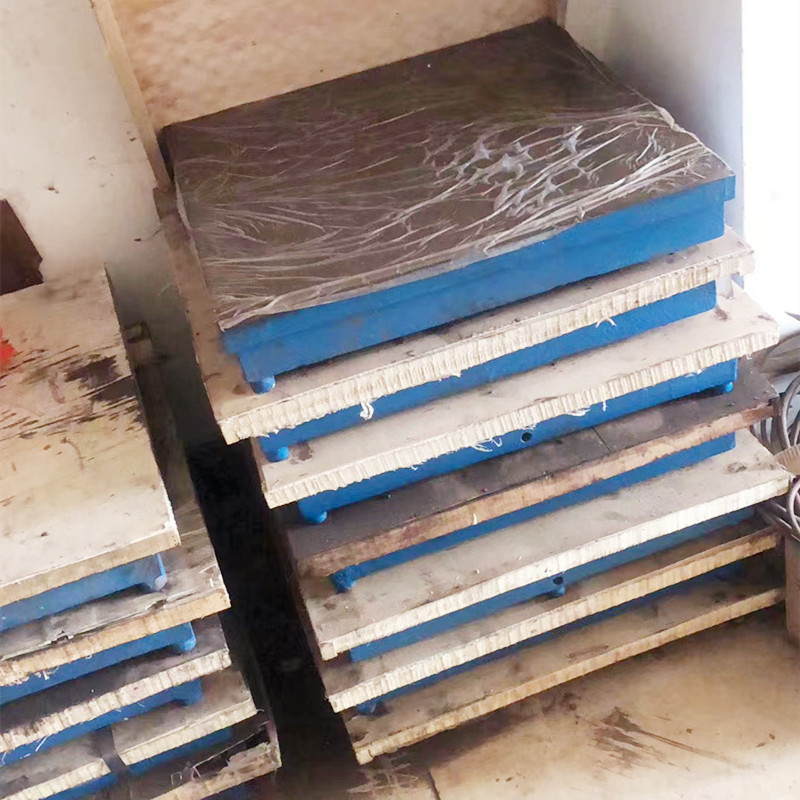
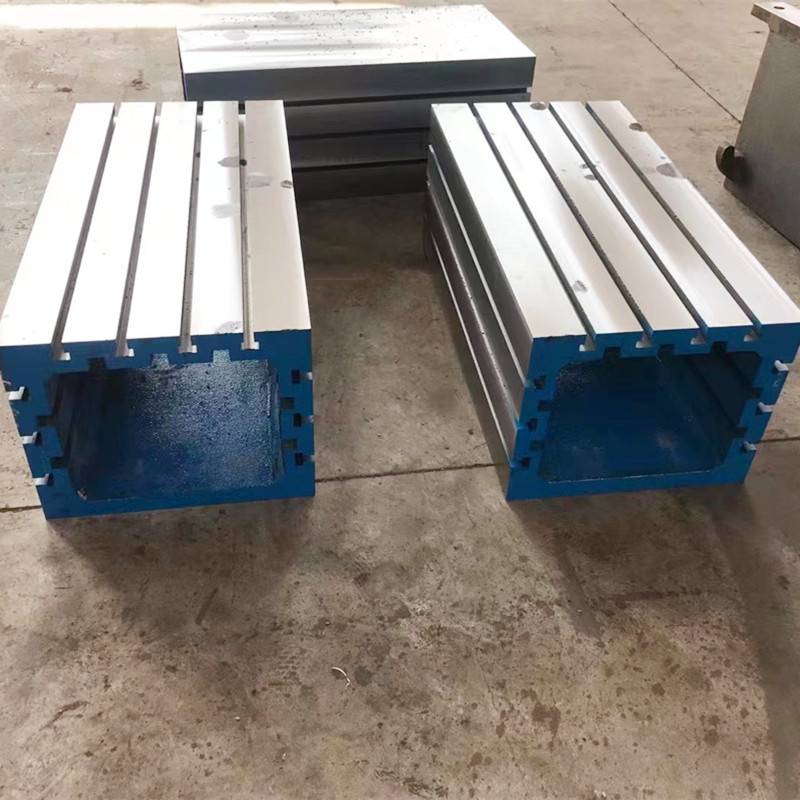
Why a measurement platform still anchors modern quality control Factories love buzzwords, and metrology is having a moment. AI checks, digital twins, edge analytics… yet, on every serious shop floor I visit, the quiet hero is still a rock-solid measurement platform . To be honest, when you dial in flatness and stability, you eliminate a lot of downstream noise. That’s where STR Machinery’s unit from Botou, Cangzhou (No.17, Building 11, Hardware Building Material City, Hebei, China) keeps popping up in conversations—wear resistant, stable, and, as many customers say, “hard to deform” even under daily abuse. Industry trends (and what buyers actually ask for) Two shifts stand out: tighter GD&T tolerances in EV and aerospace work, and the spread of inline verification. That means a measurement platform has to pair high flatness grades with decent mobility, vibration damping, and easy re-certification. Surprisingly, customization is now the norm—T-slots for clamping, inserts for jigs, and surface finishes that don’t bruise optics or delicate housings. Core specifications at a glance Base materials High-strength cast iron (HT250/GG25) or granite (black/diabase), application-driven Flatness grades Grade 00 / 0 / 1 per DIN 876, ISO 8512; ≈3–10 μm per meter (real-world use may vary) Surface finish Ra ≤ 1.6 μm (scraped cast iron) or honed granite Hardness / density Cast iron HB 170–220; Granite density ≈2.9 g/cm³ Load capacity Up to 5,000 kg (custom frames/stands available) Options T-slots, inserts (M8–M16), lifting points, leveling feet, vibration-isolation pads Process flow and quality controls Materials: selected cast iron with controlled pearlitic matrix or low-porosity granite blocks. Methods: stress relief (thermal aging), rough machining, semi-finish milling, fine scraping/lapping, final hand calibration. Testing standards: flatness verified per DIN 876 and ISO 8512; spot pattern checks, autocollimator sweeps, and repeatability mapping. Test data example: Grade 00, 1000×1000 mm, flatness ≤ 3.5 μm; repeatability ±1.5 μm; traceability via ISO/IEC 17025 lab certificates. Service life: around 8–12 years in typical machining environments; longer with covers and periodic re-scrape. Industries: EV drivetrains, aerospace brackets, precision molds, medical device housings, optics assembly. Why this measurement platform wins on the floor It’s the combination: wear resistance, stubborn stability, and—actually—a finish that forgives real-world handling. The origin matters too; Botou’s casting and stoneworking ecosystem keeps lead times sane. Certifications? The factory quality system aligns with ISO 9001, and calibration reports can be issued by ISO/IEC 17025-accredited partners. Customers tell me they notice fewer reworks after swapping in this measurement platform , especially for parts with tight positional tolerances. Vendor comparison (quick, practical view) Vendor Material Flatness grades Max size Lead time Notes STR Machinery Cast iron / Granite 00 / 0 / 1 ≈3000×2000 mm 4–6 weeks Strong customization, fair pricing Vendor A Granite only 0 / 1 ≈2000×1500 mm 6–8 weeks Great polish, fewer options Vendor B Cast iron 0 / 1 ≈2500×1500 mm 5–7 weeks Solid basics, limited T-slots Customization and real-world feedback Options span stand height, epoxy infill, coolant-safe coatings, and datum tag engraving. Shipping crates are moisture-controlled—small detail, big impact. One EV plant reported a 22% drop in gauge R&R variation after moving critical checks onto this measurement platform . A medical device assembler (clean area) liked the low particle shedding of the honed granite version—less wipe-down between lots. Application snapshots Automotive powertrain: fixture plates bolted to the measurement platform for inline cam-cap height checks. Mold shop: blueing and scraping on cast iron measurement platform to recondition reference faces. Optics: granite measurement platform under vibration pads for lens barrel coaxiality checks. Standards and traceability matter. Specify the grade you need, ask for a calibration map, and—this is my usual nudge—budget a re-verification every 12–18 months or after a move. References DIN 876: Flatness tolerances for surface plates. ISO 8512-1/-2: Surface plates — Granite and Cast Iron — Specifications and verification. ASME B89.3.7: Granite surface plates — Methods for inspection. ISO 9001:2015 — Quality management systems — Requirements. ISO/IEC 17025: General requirements for the competence of testing and calibration laboratories.
about
circle mirror with lights
Understanding the Three Types of Control Valves Control valves are integral components in various industrial processes, regulating the flow of fluids in a system. Their primary function is to maintain the desired flow rate, pressure, or liquid level, and they can be classified into three major types globe valves, ball valves, and butterfly valves. Each has its distinct features, advantages, and applications, allowing them to cater to diverse operational requirements. 1. Globe Valves Globe valves are widely used for regulating flow in piping systems. Characterized by a spherical body shape, these valves contain an internal baffle that divides the flow chamber into two halves, thereby controlling the fluid flow passage. When the valve is turned, the baffle moves either upward to allow greater flow or downward to restrict it. Advantages One of the key benefits of globe valves is their exceptional throttling capabilities. They provide precise control over the flow rate, making them ideal for applications requiring fine adjustments. Moreover, their design helps to minimize turbulence in the flow, which is advantageous in maintaining a consistent operation. Applications Globe valves are typically used in situations where flow regulation is critical, such as in domestic water systems, chemical processing, and heat exchangers. Their ability to maintain the required pressure gives them an edge in critical control applications. 2. Ball Valves Ball valves utilize a spherical disc, known as the 'ball,' to control the flow. When the valve handle is rotated, the ball aligns with the flow path to either allow or block the passage. This simple yet effective design provides a tight seal and ensures a high flow rate with minimal resistance. three types of control valves Advantages The primary advantage of ball valves is their ability to provide a quick shut-off. They can transition from open to closed positions with just a quarter turn, making them suitable for on/off applications. Furthermore, they tend to maintain a straightforward and compact design, which saves space in piping layouts. Applications Ball valves are commonly found in a variety of systems, including water supply lines, natural gas processing, and oil pipelines. Their robust build and reliability make them a favorite in industries where quick responsiveness is paramount. 3. Butterfly Valves Butterfly valves feature a circular disc that rotates within the valve body to control the fluid flow. The disc is positioned in the center of the pipe, and when opened, it allows fluid to flow through the valve, while closing the disc restricts the flow. The operation of butterfly valves is characterized by their efficient flow control and lower pressure drop. Advantages Butterfly valves are prized for their lightweight and compact design, enabling easy installation and minimal space requirements. They also provide a relatively simple operation compared to other valve types. Additionally, they can handle larger volumes of flow efficiently and can be used in both fully open and partially open positions to regulate flow. Applications These valves are extensively used in HVAC systems, water distribution, and wastewater treatment plants. Their ability to manage large quantities of fluids while maintaining a low-pressure drop makes them particularly suitable for large-scale operations. Conclusion Understanding the three types of control valves—globe, ball, and butterfly—is essential for selecting the appropriate valve for specific applications. Each type has its own set of advantages that cater to varying industrial needs, from precise flow regulation to quick shut-off capabilities and efficient high-volume flow management. By recognizing the distinctive features and ideal use cases of these control valves, engineers and operators can make informed decisions that enhance system performance and reliability. In a world increasingly dependent on effective fluid control, leveraging the right valve technology is a critical step towards achieving operational excellence.
-

High quality industrial productsagement

High quality industrial products
View Details -

Meet the diverse needs of customers

Meet the diverse needs of customers
View Details -

Strict quality control

Strict quality control
View Details -

Top raw materials

Top raw materials
View Details -

Trusted supplier

Trusted supplier
View Details
Our application


news and information
Valve Types & Applications
The valve industry is a cornerstone of modern infrastructure, serving critical roles in plumbing, oi
Versatile Magnetic Vee Block for Precision Workholding and Machining Applications
The Magnetic Vee Block A Versatile Tool for Precision Alignment In the realm of manufacturing and ma
Water Shutoff Valve Operation and Maintenance Guide for Homeowners and Professionals
Understanding Water Valve Shutoff Importance and Procedures Water valve shutoff is a critical compon
 English